I still remember it vividly.
2017, FIBA U16 Asia Championship in Foshan, China.
A short Japanese point guard caught my attention, who was shorter than me at the time (169 cm). However, every time he came off the bench, he could always completely change the game.
Super fast, confident and creative.
I was like: “Damn, this kid is special!”
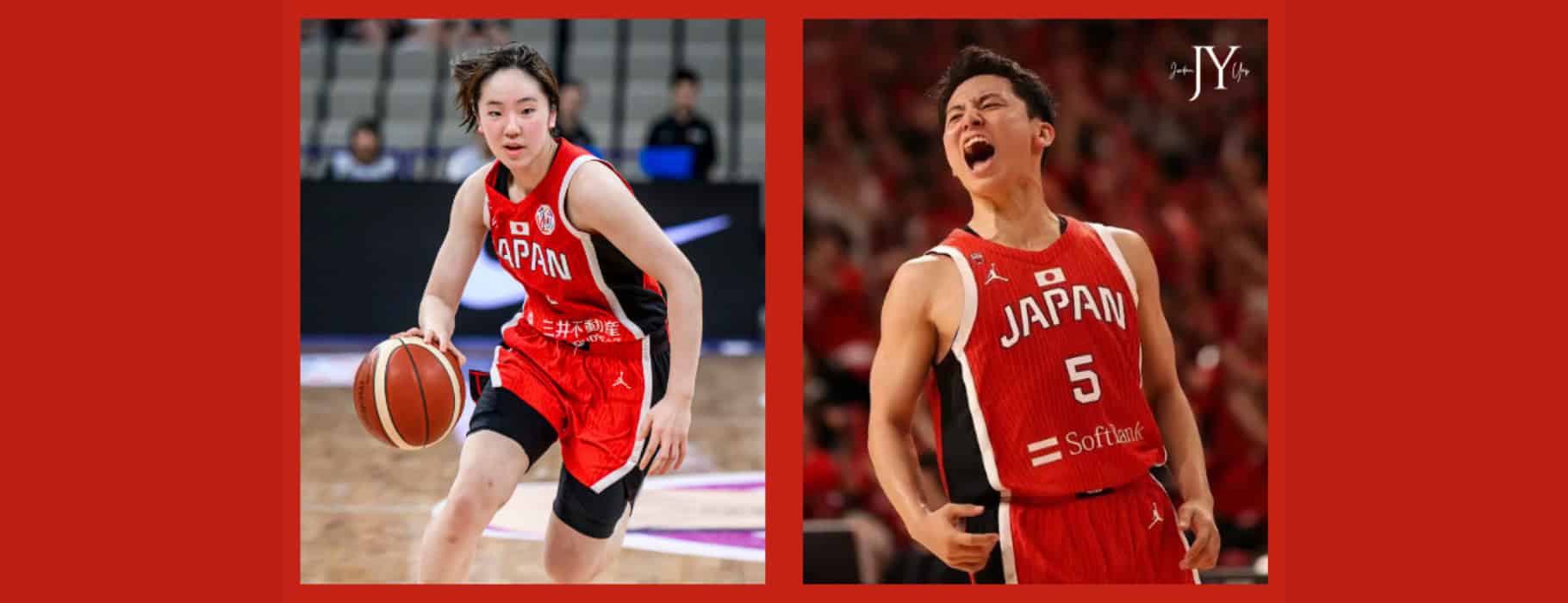
That was the first time I saw Yuki Kawamura play. I’ve followed him ever since. He’s now one of my favorite players.
Fast forward to 2025, FIBA Women’s Asia Cup semifinal. Japan vs. China.
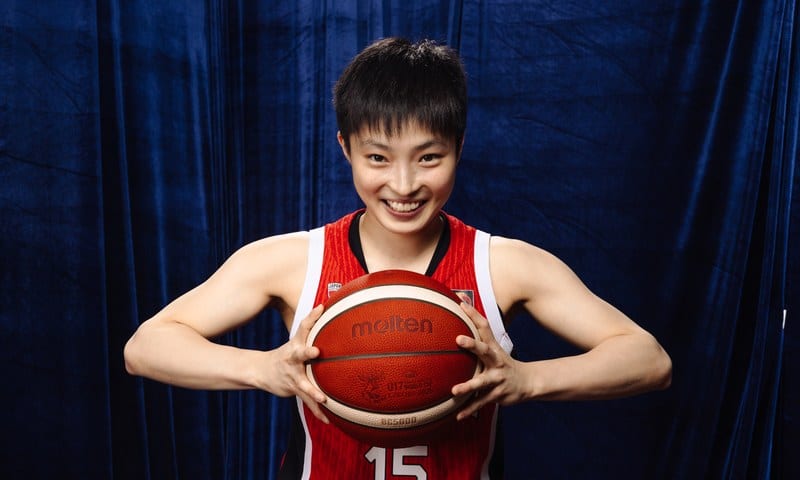
Kokoro Tanaka, just 19, dropped 21 points in the first quarter against a towering Chinese defense. Her three-point arc was picture perfect. Her decision-making felt like that of a seasoned pro.
She followed it up with another strong performance in the final vs. Australia.
And that made me wonder: What’s behind their rise?
The Similar Rise: Different Players, Same Blueprint
The more I studied them, the more I noticed:
Let’s break it down:
Started Young, Trained Like Pros
- Kawamura: From Grade 4, he shot over 500 times a day; by Grade 6, that number reached 1,000, often combined with dribbling practice for up to 4.5 consecutive hours
- Tanaka: shooting threes in Grade 2, hitting buzzer-beaters by Grade 5
Dual-Track Development
- Balanced school and club team experience (e.g. KAGO CLUB OSAKA for Tanaka)
- Exposure to diverse coaching styles and high-level competition
Self-Driven Routine
- Tanaka: up at 5AM, 300 shots daily, over 300,000 shots logged in high school
- Kawamura: endless footwork drills, film sessions with his dad
Reps Under Pressure
- Both played in national youth tournaments from their early teens
- Big games didn’t intimidate them—they refined them
Smart Over Tall
- Tanaka: Elite assist-to-turnover ratio
- Kawamura: Consistently outthinks and outruns taller defenders
The System That Shapes Giants
In Japan, this isn’t coincidence. It’s culture.
This mindset is the foundation of Japan’s player development model:
- Player-Centered Coaching: Teaching players how to think, not just follow orders
- Video & Data Integration: Used from junior high onward
- Age-Based Tactical Curriculum: Not random drills, but progressive long-term learning
- Open Pro Pathways: Teenagers debuting in B.League and W.League
This isn’t about late-stage polishing. It’s early-stage programming.
Why This Matters to Us
In Malaysia, we often obsess over physical tools.
But Kawamura and Tanaka prove that:
If we want to develop similar guards, we need to ask:
- Are we training kids with world-class standards?
- Are we developing decision-makers or just play-followers?
- Are our top youth players being challenged early enough?
Build the Giant, Not Just the Body
Kokoro Tanaka and Yuki Kawamura didn’t wait for the spotlight.
They trained like stars long before anyone was watching.
Their rise sends a clear message:
You don’t have to be big to play big.
You just need to build big habits.
☕ If you enjoy this kind of writing and want to support my work, you can now buy me a coffee:
Every cup helps me keep telling these stories, and keep pushing the culture forward. Thank you!