We’re pressing pause on Project Zero — Not because we’re giving up, but because something even more urgent and meaningful is taking shape this quarter.
Here’s a small teaser:
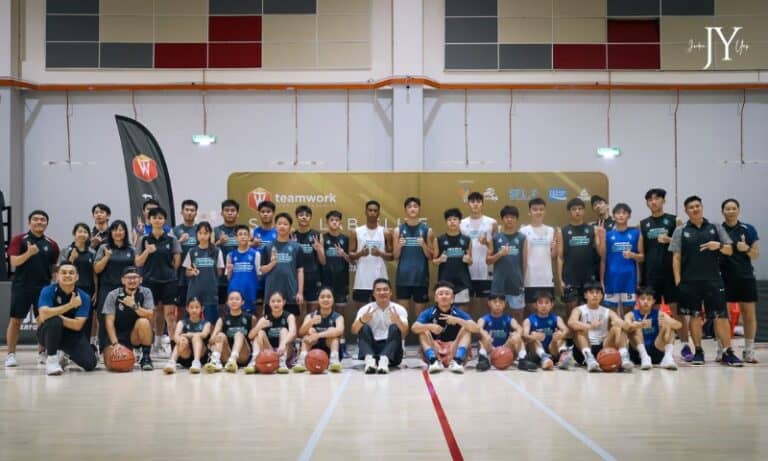
At the end of September, we’re planning to host a 2-day basketball skill training camp — led by a well-known skills development coach from Japan, invited through Coach Matsui.
It’ll be unlike anything we’ve done before. Stay tuned.
Back to the Book
Over the past week, I continued reading Best Text of Sports Club Management, written by Japan B.League Chairman Shinji Shimada.
One section in Chapter 2 caught my eye:
“Three Keys to Getting the Decision Maker to Say Yes.”
It made me pause and reflect — not just as a reader, but as someone actively trying to build partnerships right now.
The Core Idea
Shimada puts it bluntly:
He lays out 3 key mindset shifts that every club, manager, or entrepreneur needs to internalize.
Even if you have the best philosophy, the strongest story, and real passion — if you can’t build trust as a person, your deck means nothing.
The 3 Keys to Getting a “Yes”
— You’re not pitching a proposal, you’re pitching yourself.
The sponsor isn’t evaluating your club.
They’re evaluating you — your energy, your intent, your sincerity.
If you treat the meeting like a routine pitch, they’ll feel it and walk away.
— Fast replies build trust faster than perfect decks.
The most underrated principle in sponsorship sales.
It’s not about being efficient — it’s about showing you care.
Even if you don’t have the answer, a quick reply like “I’ll get back to you by Thursday, and here’s what we’re working on” makes all the difference.
— Know what the sponsor actually wants.
Brand visibility? Social impact? Employee morale?
There’s always a deeper “why” behind a sponsorship.
Your job is to feel it, ask the right questions, and speak to what they haven’t yet said out loud.
Two More Underrated Rules
For those in sales or business development, these may sound like basic fundamentals. But from Shimada’s perspective, very few people truly execute all three points well.
Beyond the three core elements, he believes there are two more principles that are just as important:
— Don’t just win over the CEO, win the whole company.
Getting the CEO’s approval is just the beginning.
The goal is to make the company’s employees genuine supporters of the team as well.
For example:
- Arrange for players to join company events
- Have club executives proactively engage with staff
- Offer small, customized perks that employees can enjoy
The more employees love your team, the less likely the company is to cut sponsorship.
— Playing “defense” matters too.
Many teams in growth mode focus heavily on acquiring new sponsors. But ironically, that’s also risky.
If you neglect your existing sponsors, you’ll quickly lose trust in the local community.
Don’t just chase new partners — protect your long-time allies too.
Long-term partnerships are the foundation of sustainable club management.
A Personal Reflection
This chapter hit home harder than I expected — because I just lived through one of its lessons.
While organizing the upcoming skills camp, I’ve been looking for sponsors and partners.
Thankfully, a few friends responded right away — no questions asked — and supported the idea. I’m incredibly grateful for their trust.
But not every attempt went smoothly.
I reached out to a beverage brand, hoping they could supply drinks for our players, coaches, and staff during the camp.
I shared the camp’s concept via text, and the marketing rep asked:
I replied with a number.
Then… silence.
No reply. No follow-up. Just a quiet fade.
Looking back now, I realized something painful:
I didn’t build trust.
I didn’t understand what they wanted.
I simply told them what I needed.
That’s exactly what Shimada warns us about.
Closing Thoughts
Sponsorship isn’t about selling ad space.
It’s about building human trust — quickly, sincerely, and intentionally.
Whether you’re running a club, building a brand, or launching something new, this is a skill worth practicing.
As Project Zero moves forward, we’ll need more sponsors, more partners, and more believers. And when that time comes, I want to show up not with a perfect pitch — but with real presence.
Thanks for reading.
If you have any feedback, or if you’re interested in sponsoring the training camp, feel free to reach out to me.
— Jordan
Missed the previous issues?
Here are the first 3 reading notes in this series: